Thunderhead
Industry: Enterprise SaaS
Role: Lead Product Designer
Tenure: 7 years
Team size: 5
Thunderhead (now part of Medallia) is a Customer Engagement platform operating at the forefront of Journey Orchestration and Real Time Interaction Management. It enables organisations to understand customer behaviour across channels and act on it in real time.
When I joined, the product was powerful but fragmented. It served sophisticated enterprise users, but required deep expertise to operate effectively. My role evolved from shaping individual experiences to leading product design as a strategic function, aligning customer understanding, systemisation, and delivery to establish UX as a core competitive advantage.
Over seven years, I built and led a design team, introduced scalable design practices, and helped position the product as a leader in multiple categories.
Levelling up
When I took on the role, design and product were not well aligned, with design operating at a distance from decision making and delivery. To support product growth, I focused on developing a cohesive, high performing team. I established clear roles and ownership, introduced regular critique and design reviews, and embedded designers more closely within product and engineering.
This led to stronger cross functional collaboration and a team able to operate more autonomously and strategically, delivering consistent, high quality work across the platform.
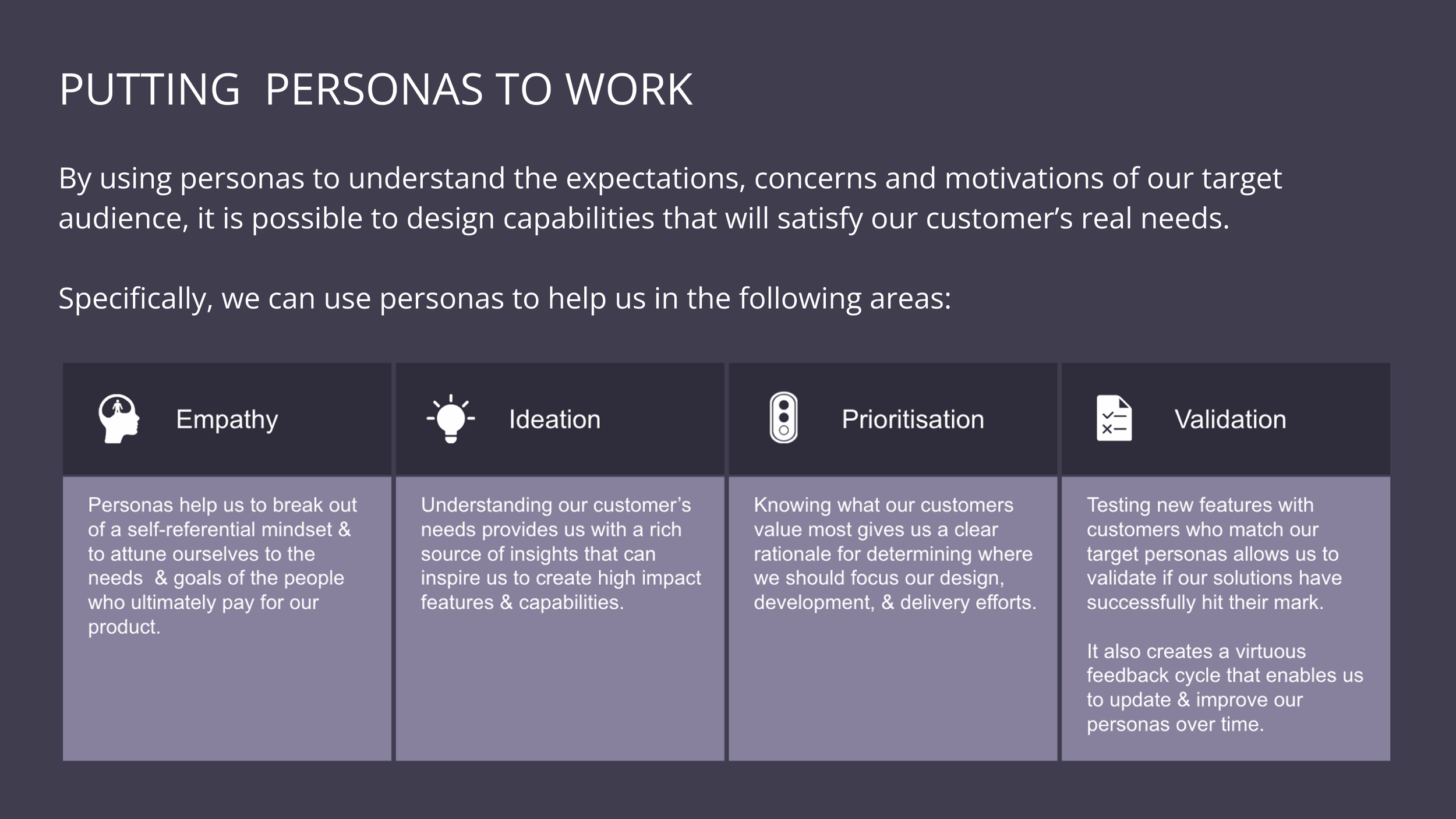
Connecting the product with customer needs
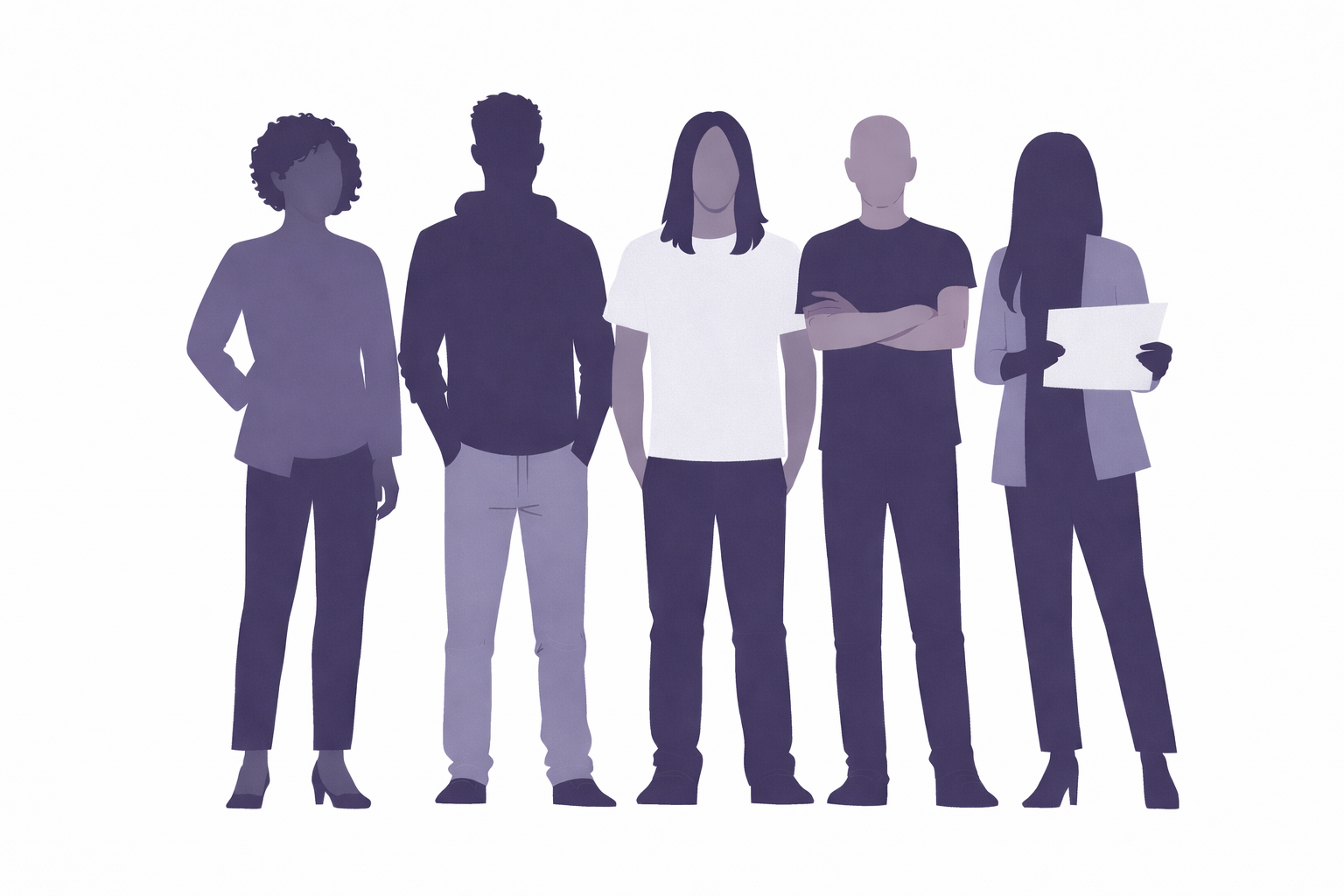
Our users were specialists operating in very different contexts, yet product decisions were often driven by internal assumptions or the demands of a small number of vocal clients. This created a gap between what was being built and what customers actually needed to succeed.
From establishing a Customer Advisory Board, to monthly calls with key clients and shadowing our Value Consulting Team, I ensured that we understood who our customers were, the challenges they faced, and what they wanted to achieve.
This moved the organisation from reacting to requests to designing around underlying needs, reducing misaligned investment and improving adoption of complex capabilities. More importantly, it repositioned design as a source of product insight, not just execution.
Conceptual clarity
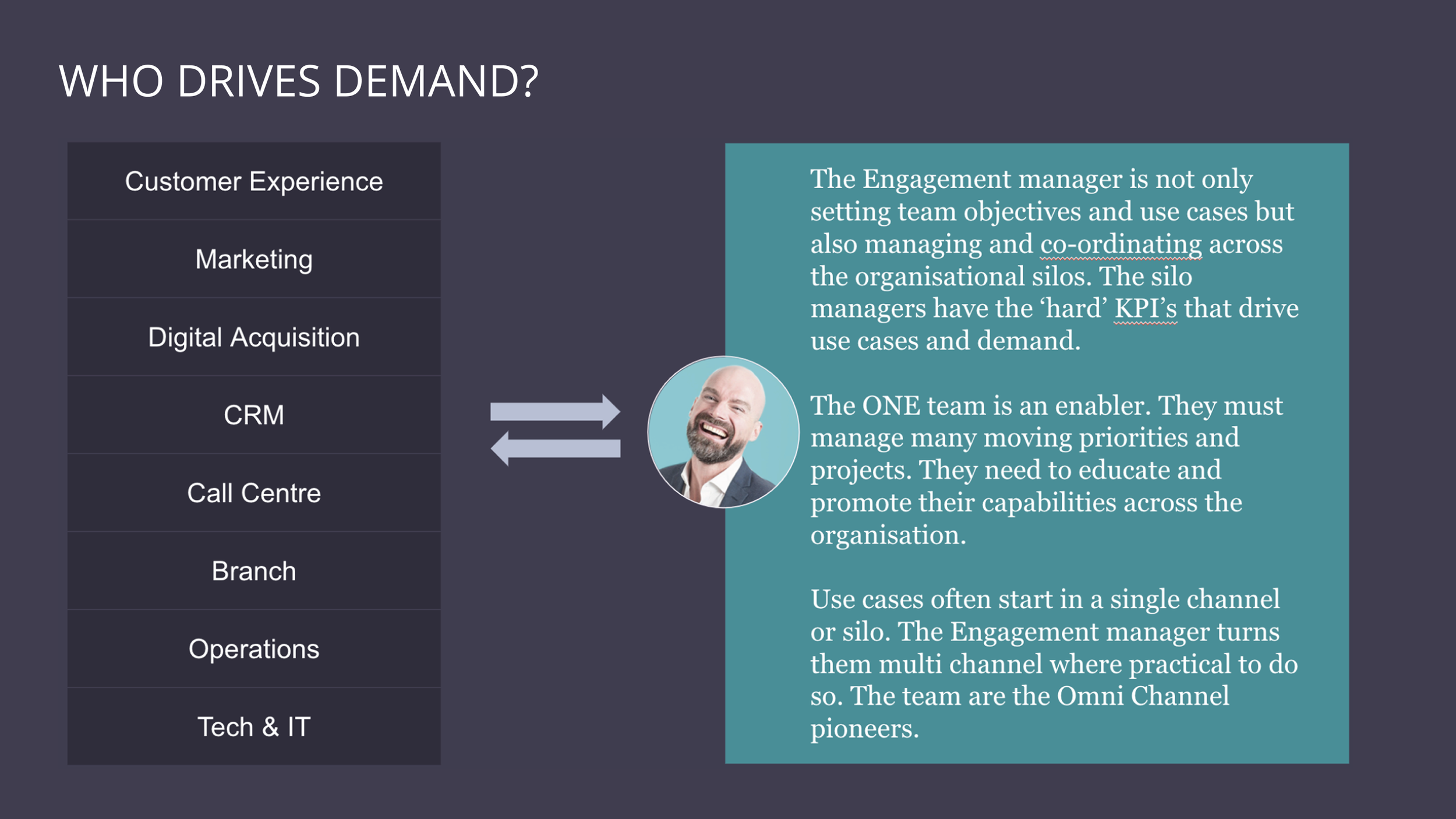
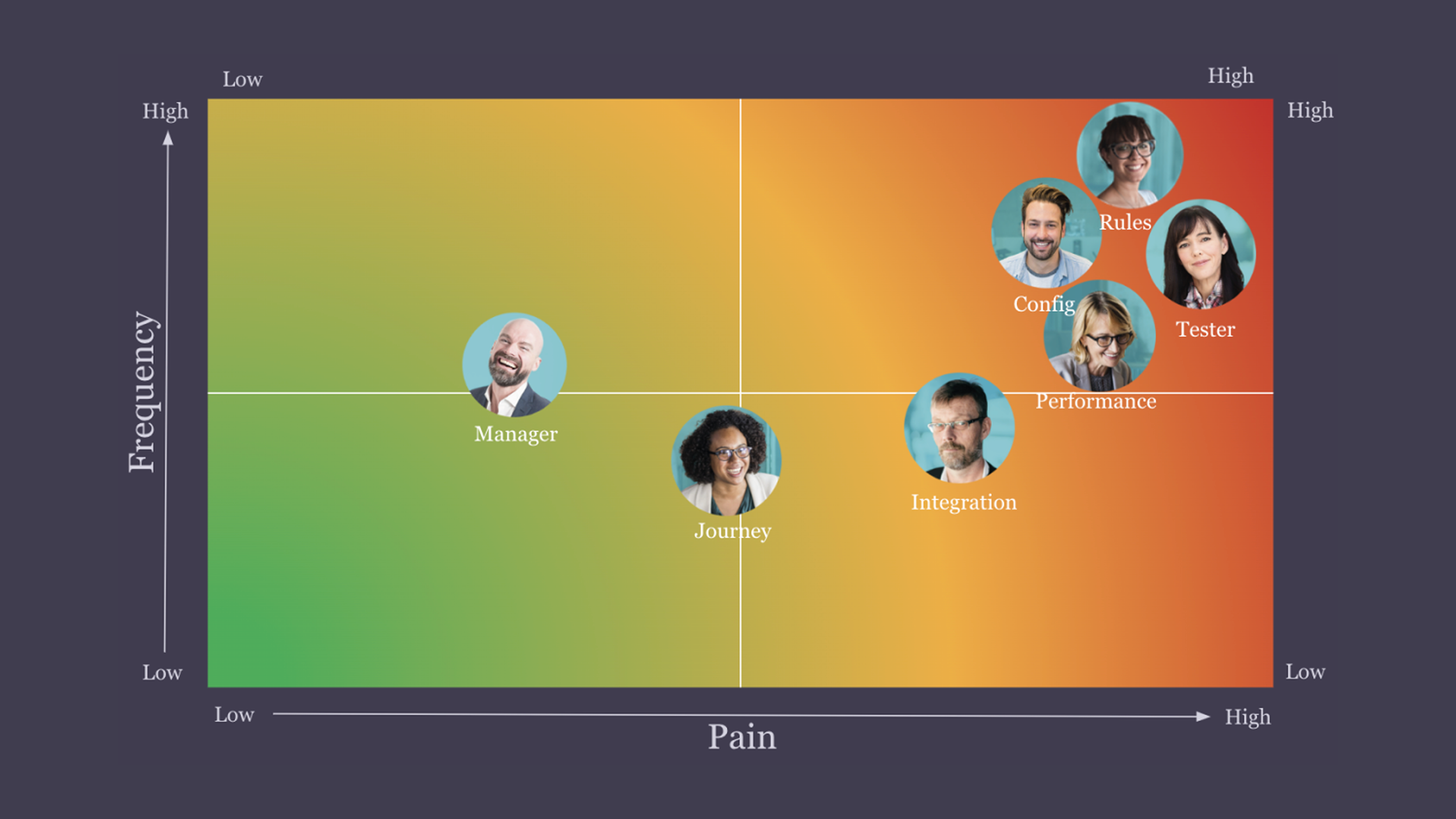
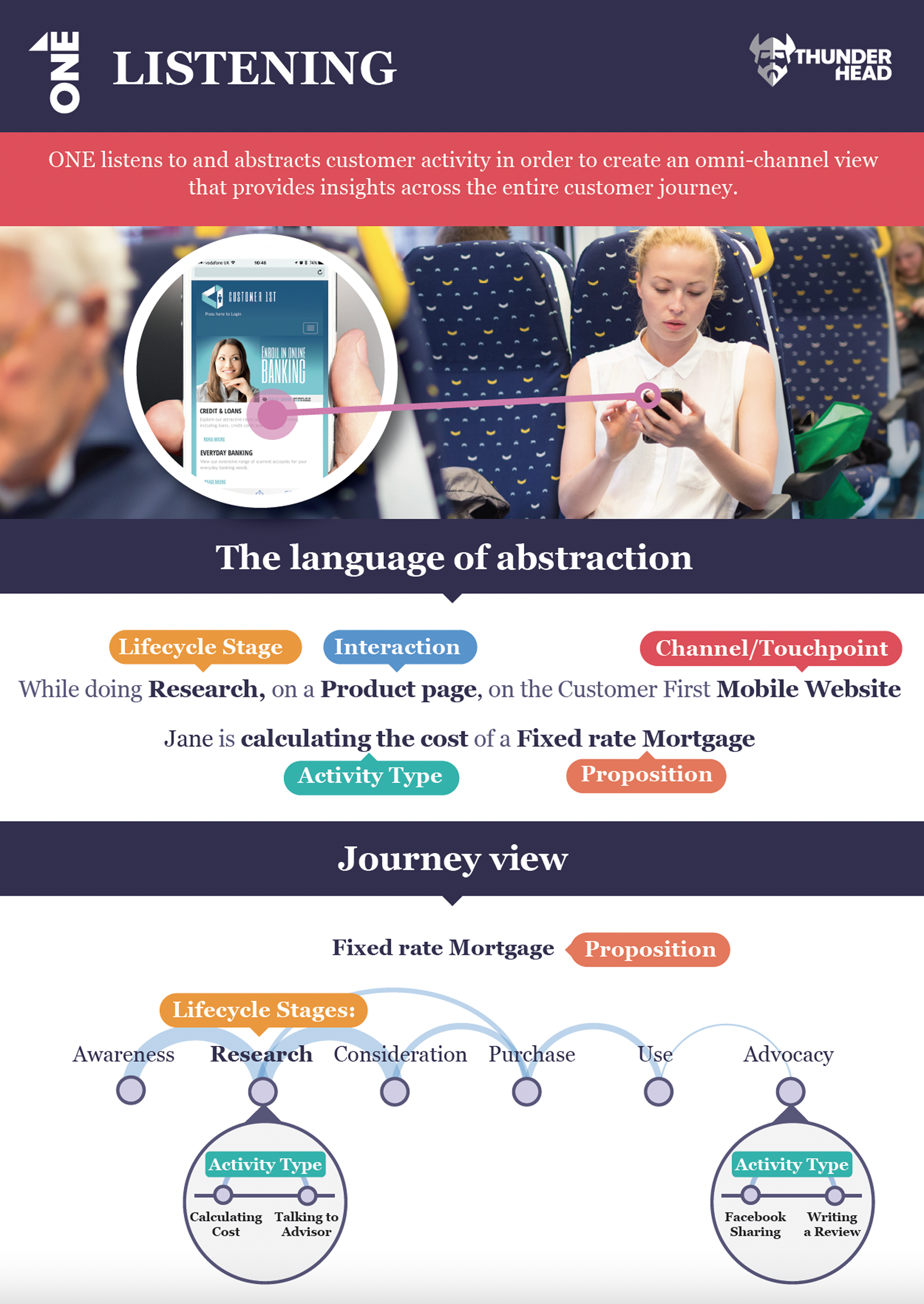
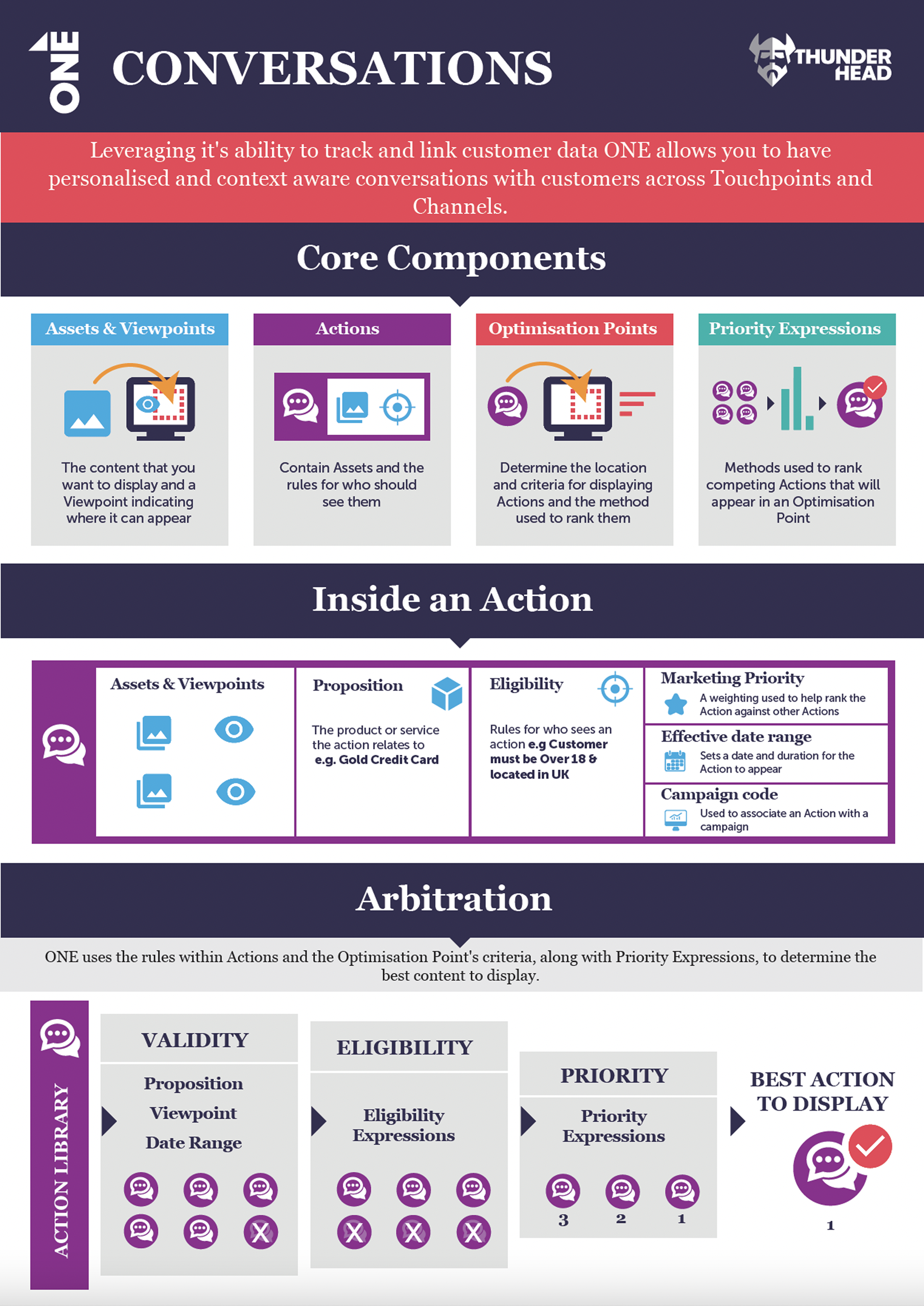
Customer Engagement and Journey Orchestration are emerging technologies, often poorly understood and accompanied by a steep learning curve and unfamiliar terminology. With this in mind, I focused on helping users build a clear mental model of how the product worked, ensuring that the language and visual devices used to describe these concepts were as clear and consistent as possible.
This involved standardising terminology across the product, documentation, and sales materials. I also worked to align product, marketing, and training teams around a consistent narrative.
As a result, onboarding improved, reliance on support was reduced, and the product became easier to understand and reason about, not just operate.
Removing friction
Thunderhead’s product was built across multiple frameworks (Angular, Vue, React), which led to inconsistency in the UI and friction between design and engineering.
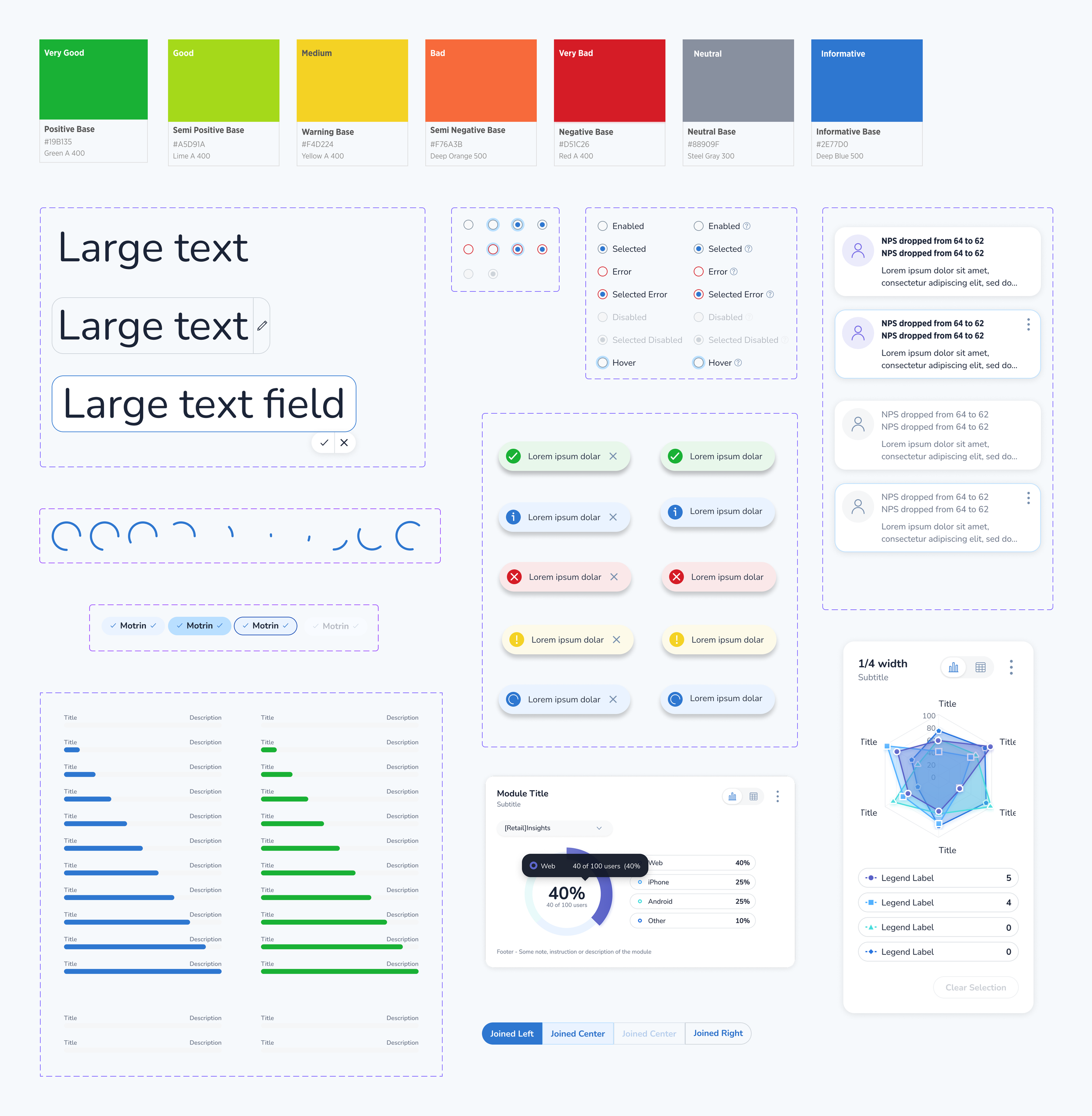
In response, I oversaw the development of a design system that evolved alongside the product. It began as a lightweight set of shared components and patterns, and was gradually formalised into a documented system with clear guidelines, interaction patterns, and versioning.
As it matured, we integrated it with engineering, synchronising with the codebase via Storybook and aligning design tokens with implementation through close collaboration with developers.This improved consistency, reduced handoff friction, and supported faster onboarding.
Differentiated by design
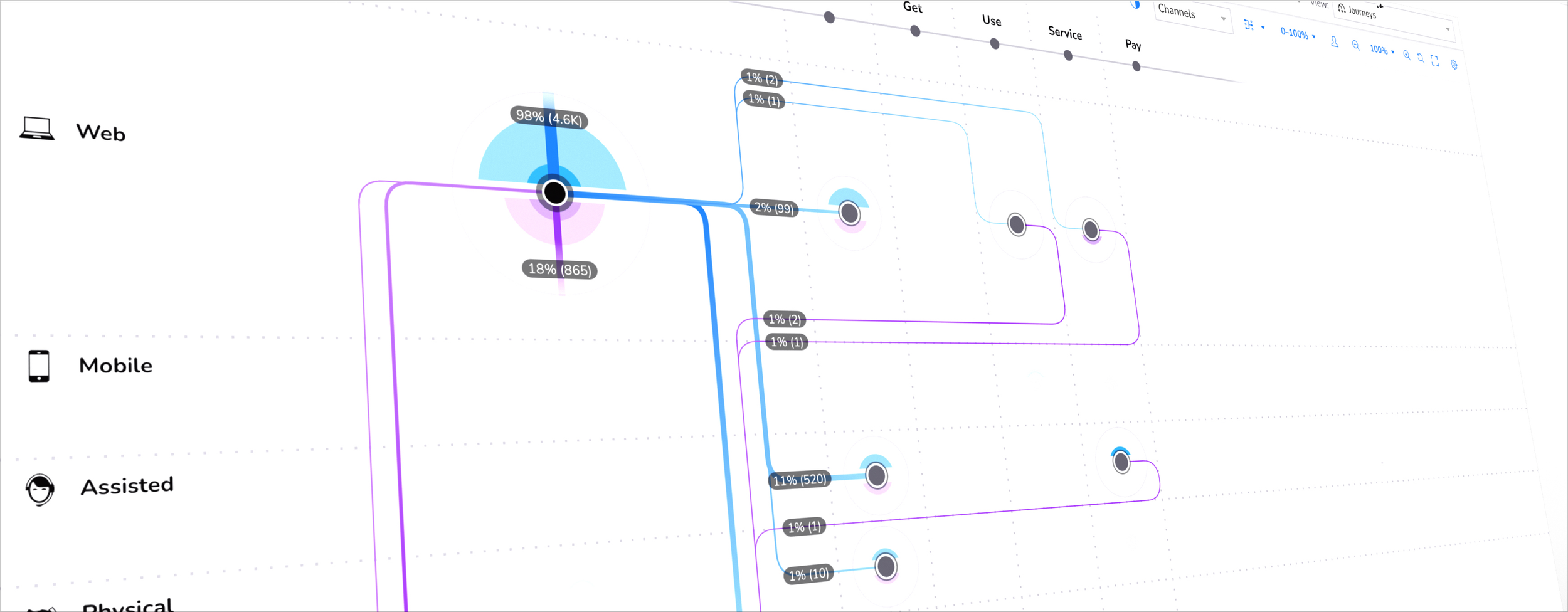
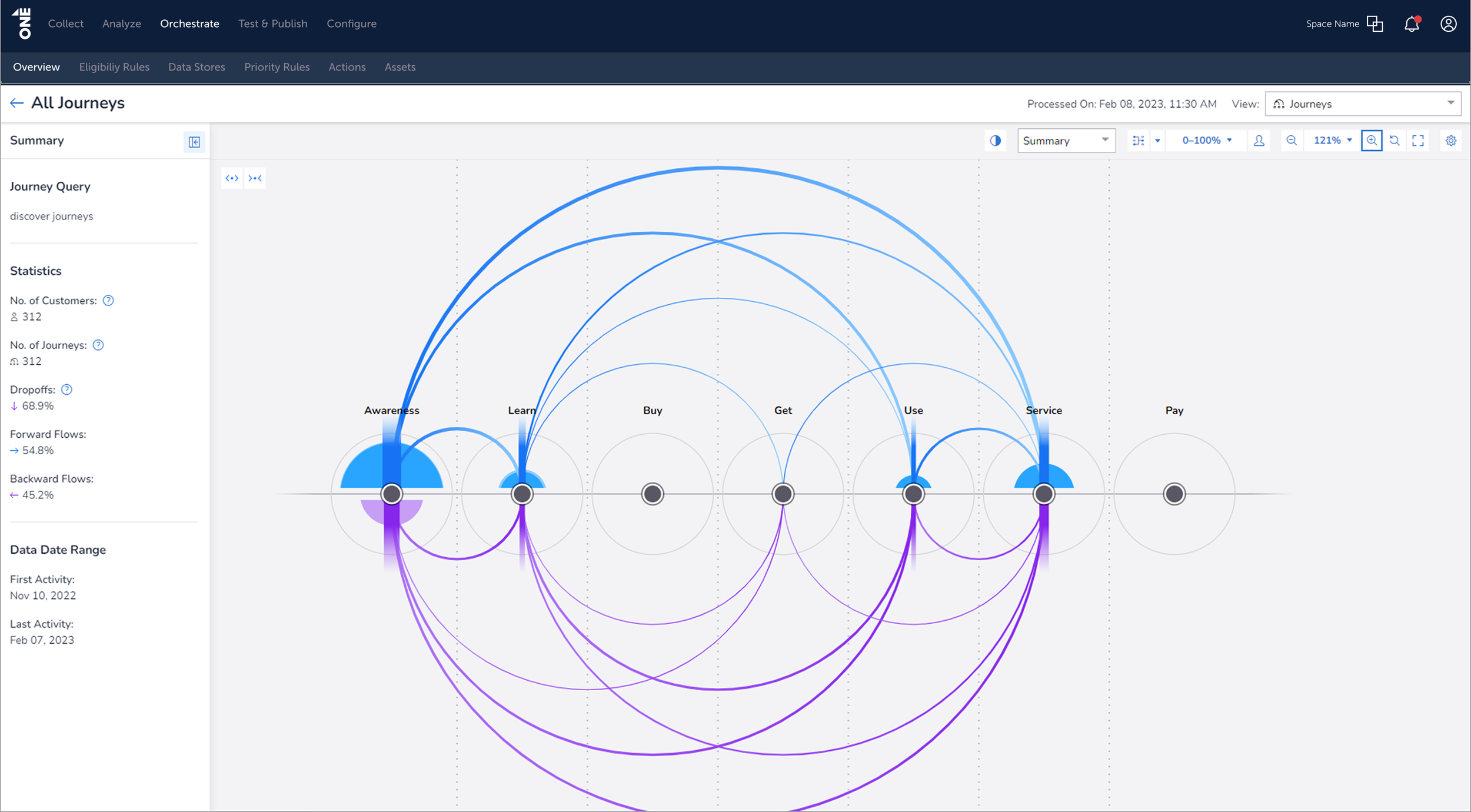
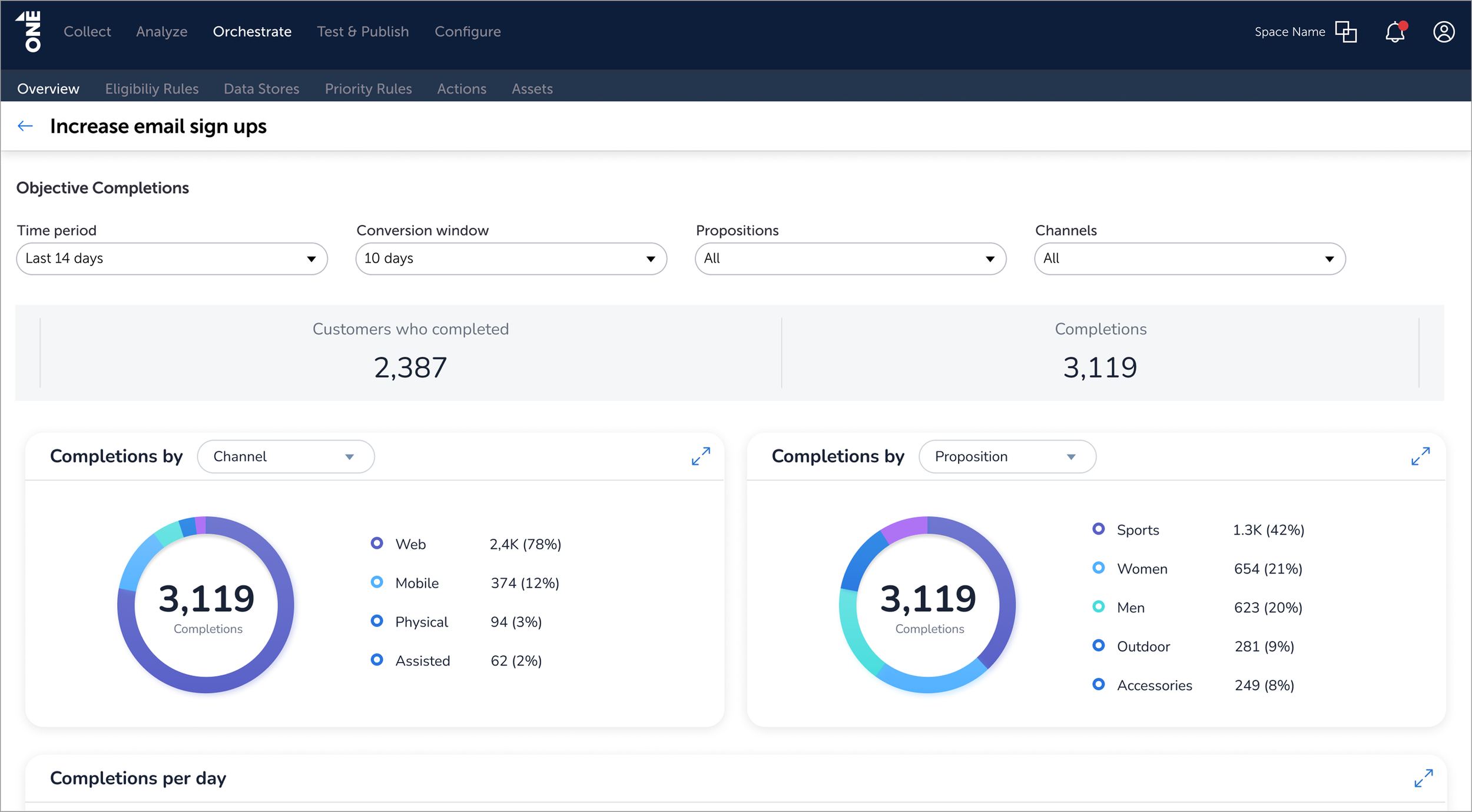
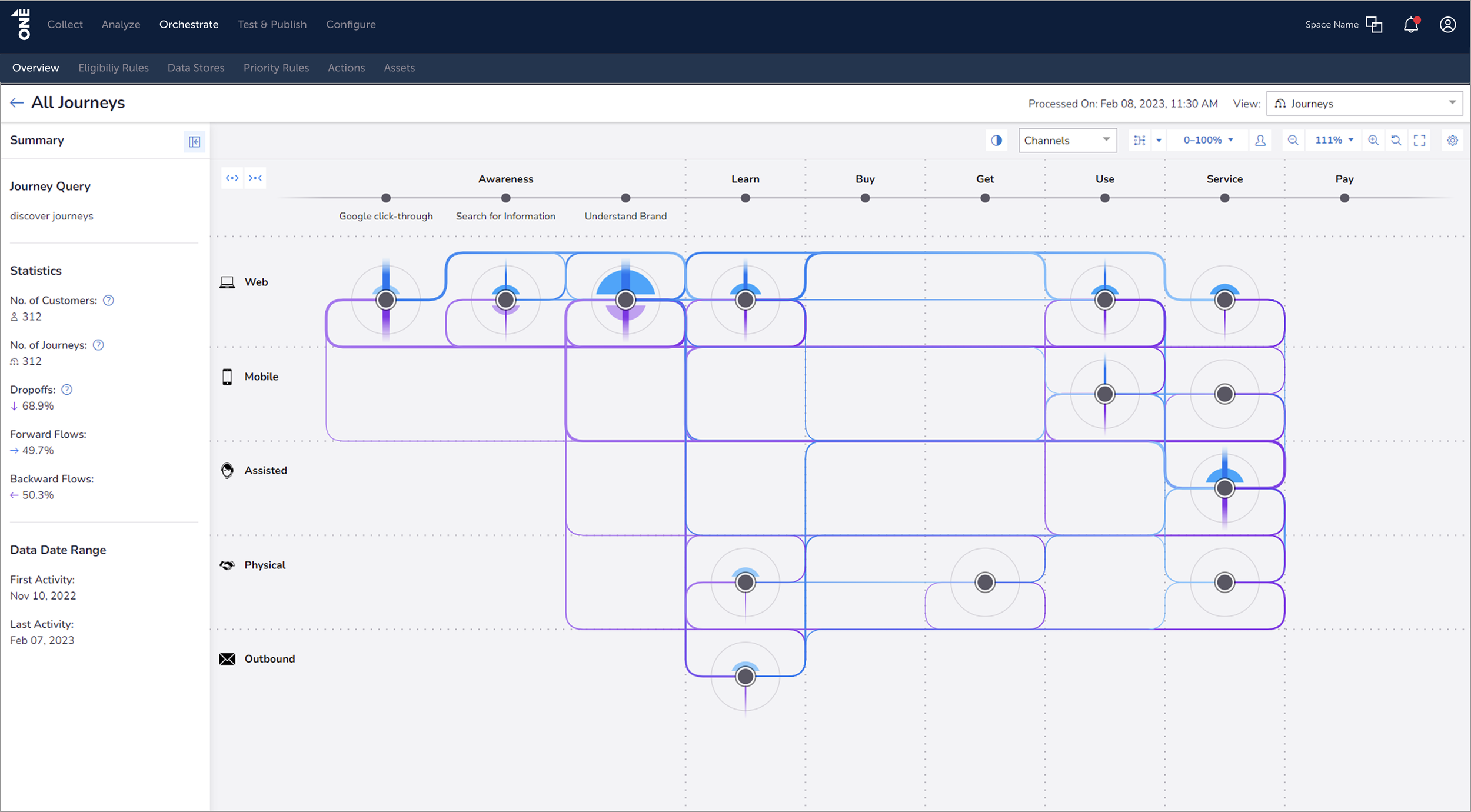
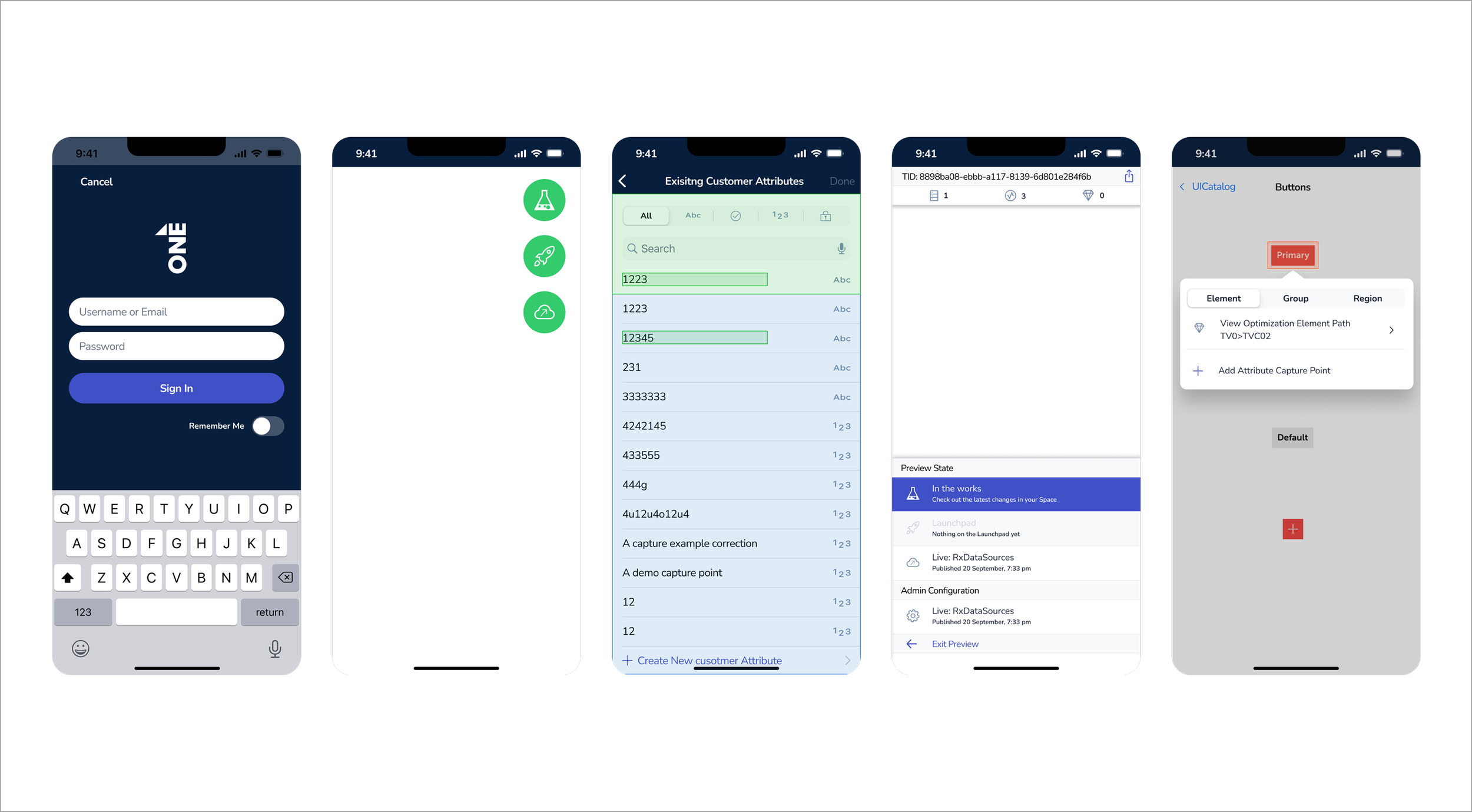
Design was a key differentiator across the Thunderhead product, from configuration screens and analytics dashboards to mobile SDKs. This was most clearly expressed in the Journey Map, not just a visualisation tool, but a fundamentally different way of interacting with customer data. It brought multiple data streams into a single, navigable view, allowing users to move seamlessly between high level journeys and channel specific interactions, and to identify patterns, drop-offs, and opportunities in real time.
The result became a core differentiator in enterprise sales, was frequently cited in analyst reports and customer feedback, and drove increased adoption of analytics features, enabling customers to move from reactive reporting to proactive optimisation.
Continuous feedback
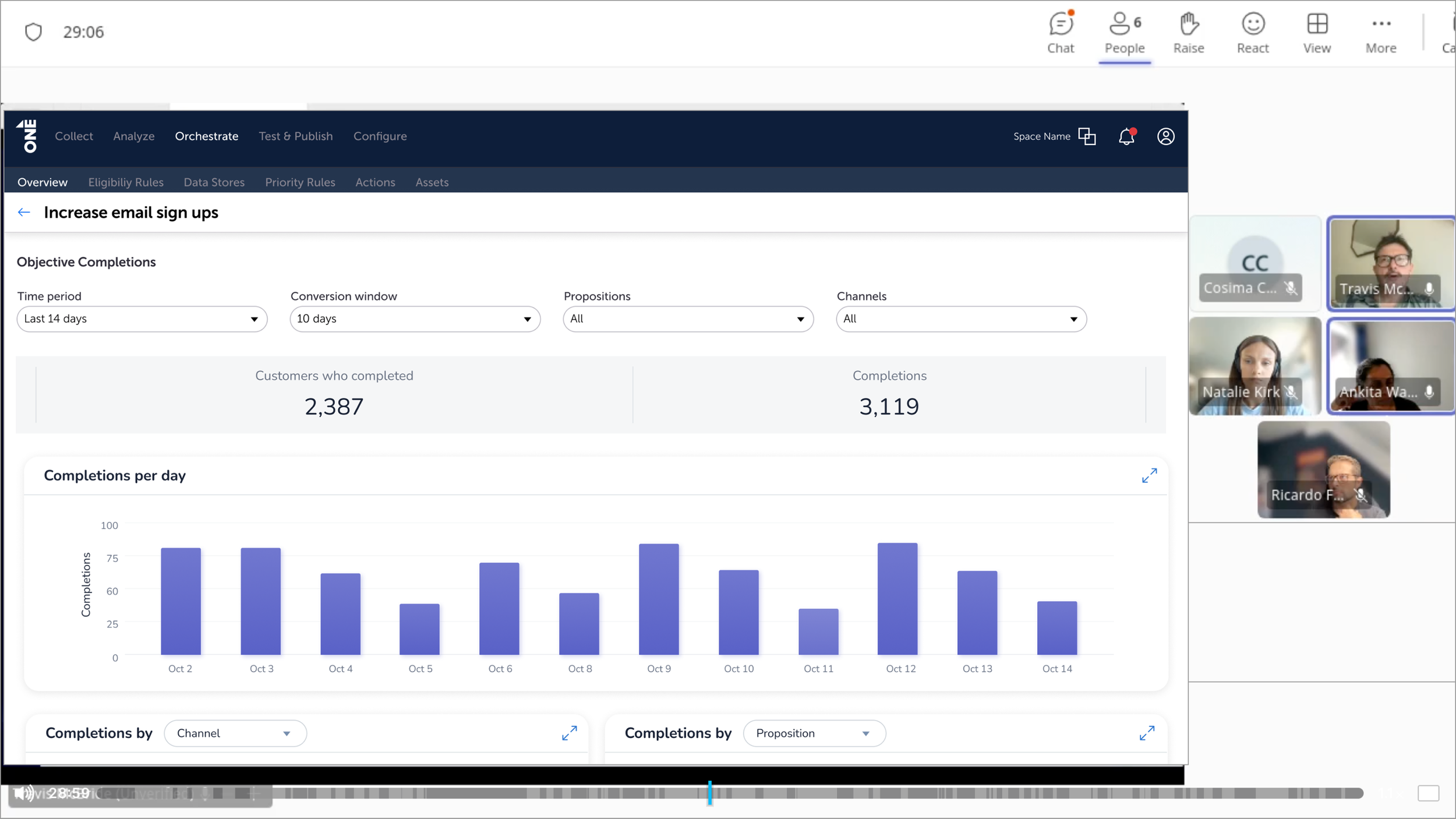
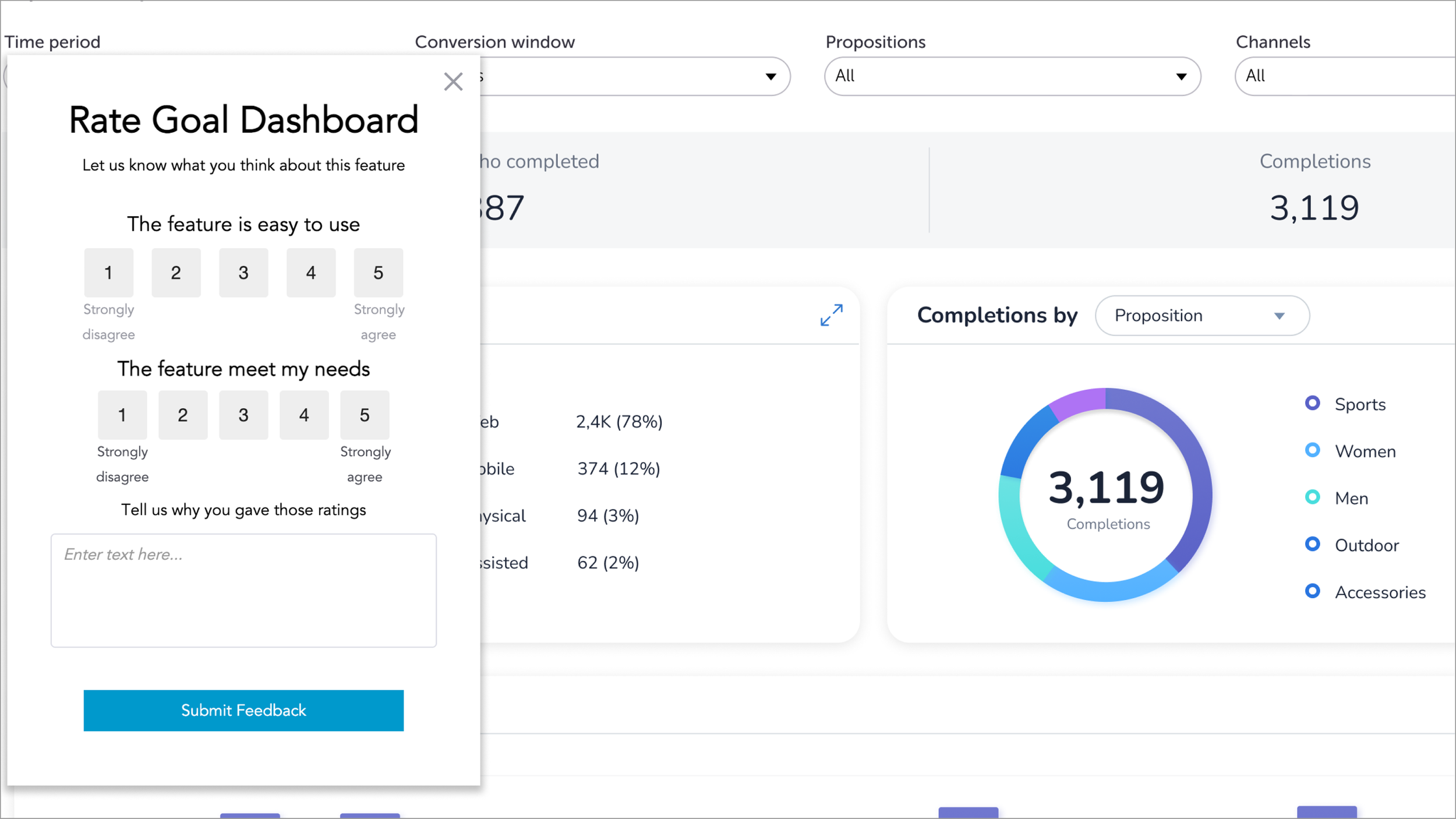
To ensure we were building the right things, I established a continuous feedback process, combining user testing, beta programmes, in product feedback, and NPS/CES tracking. Paired with a two week release cadence, this enabled rapid iteration and steady, tangible improvements.
Crucially, this feedback directly informed decisions, from refining features and prioritising high impact changes to stopping work that didn’t deliver value. This reduced the risk of misaligned releases, improved adoption, and ensured the product evolved in response to real customer needs rather than internal assumptions.
Results
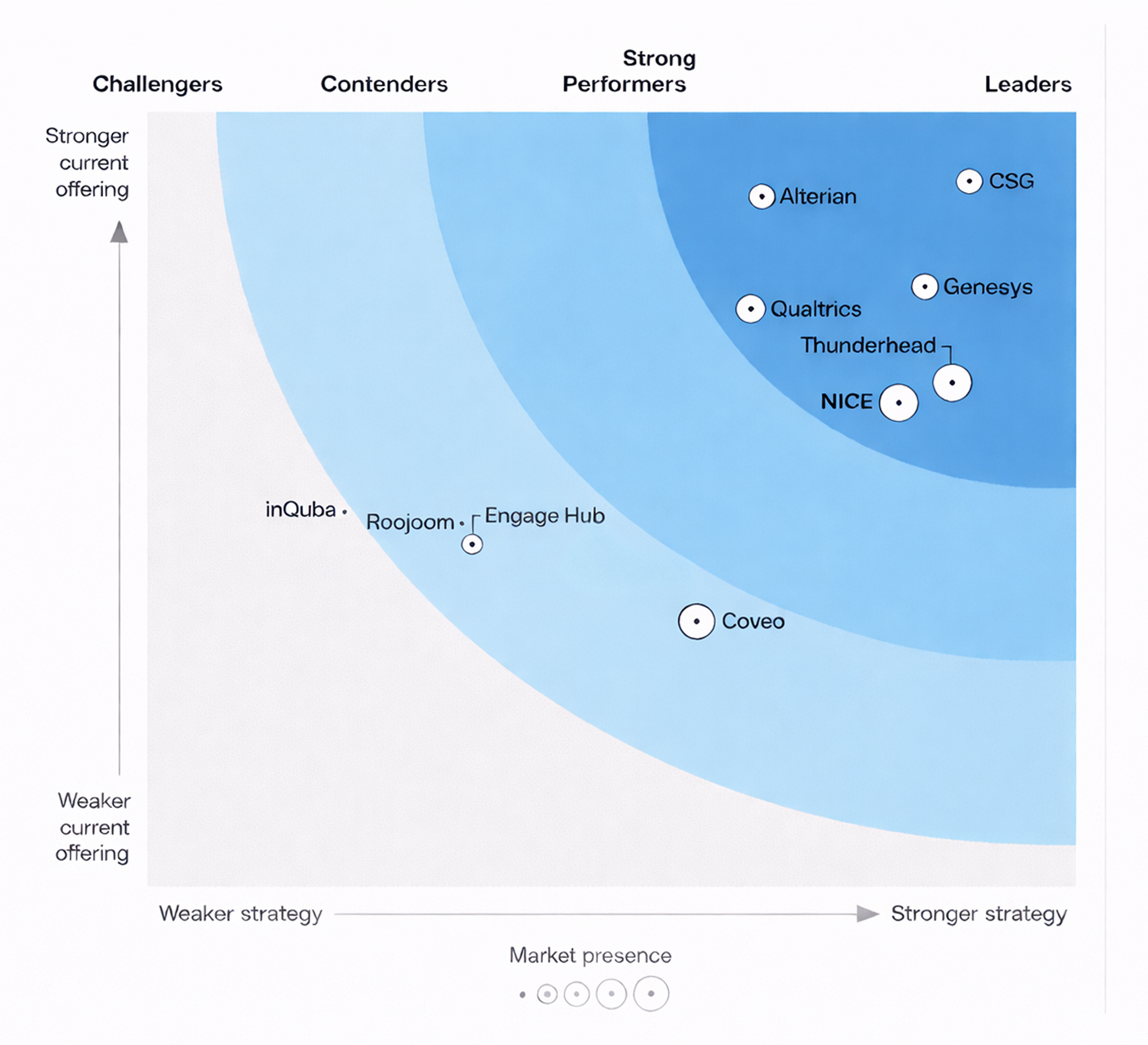
This work delivered both product and organisational impact. The platform was recognised as a Leader in multiple Forrester Waves (Journey Orchestration and RTIM), with UX becoming a clear differentiator.
This experience fundamentally shaped how I approach product design leadership. At scale, effective UX depends on a focused set of disciplined practices: clear ownership and high standards within teams; continuous, operationalised customer research; and design systems that don’t just enforce consistency, but increase speed of delivery by reducing rework and enabling teams to build with confidence. Differentiation comes not from capability alone, but from how clearly and effectively it is made usable in practice.
Design’s role is not just to improve interfaces, but to shape how products work, how organisations think, and ultimately how customers succeed.