
Silverstone
Industry: Global events venue
Role: Head of UX at Pancentric (digital agency)
Project team size: 2
Silverstone recognised that its heavy reliance on Formula 1 was not a sustainable long term strategy. It set out to create a digital experience that could better showcase its full range of assets and reposition it as a year round destination.
Working alongside three technology partners, I led the UX design of a responsive e-commerce platform integrating ticketing, merchandise, accommodation, and track and venue hire, bringing these underutilised offerings into a single, cohesive experience.
Design sprints
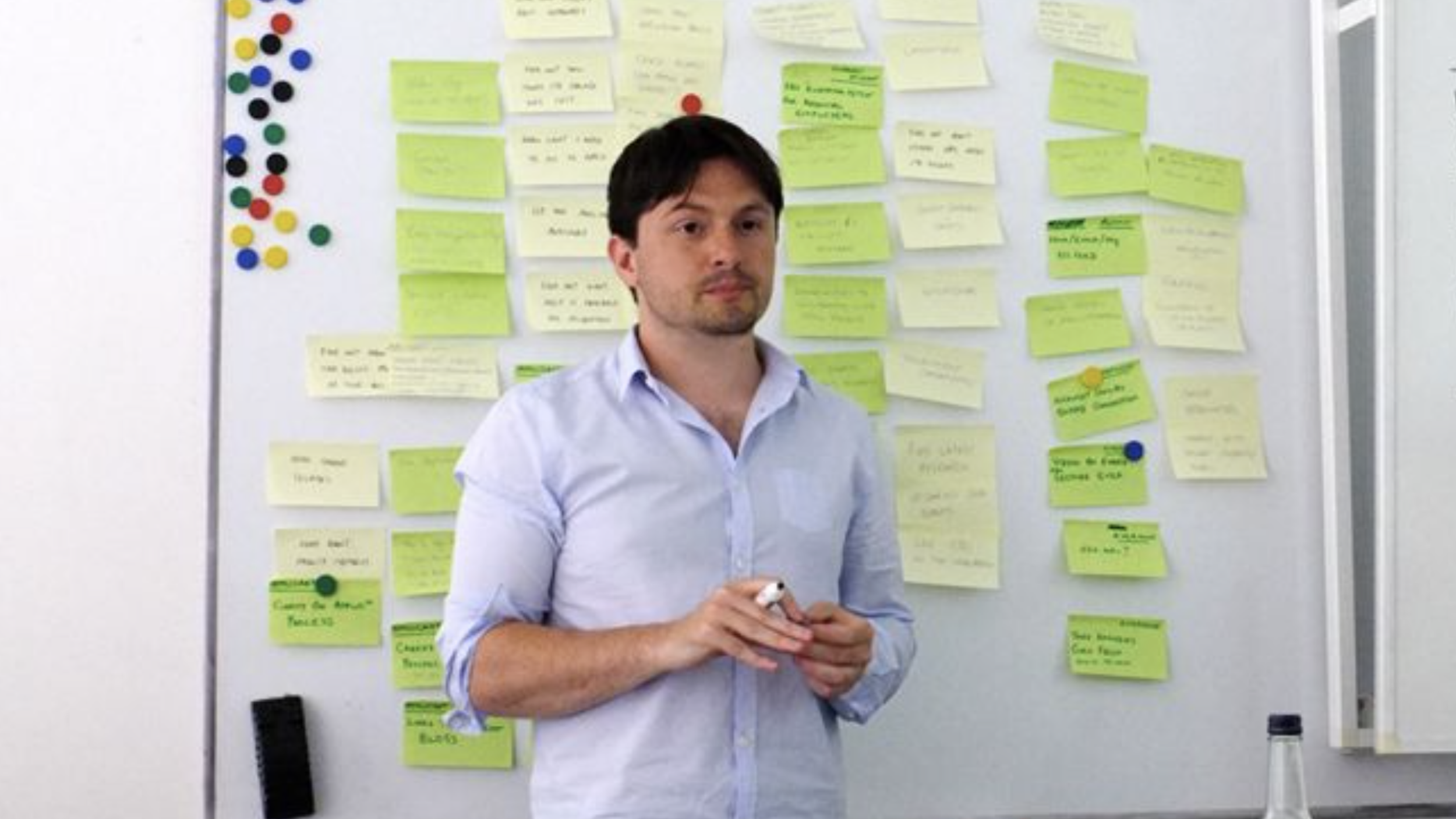
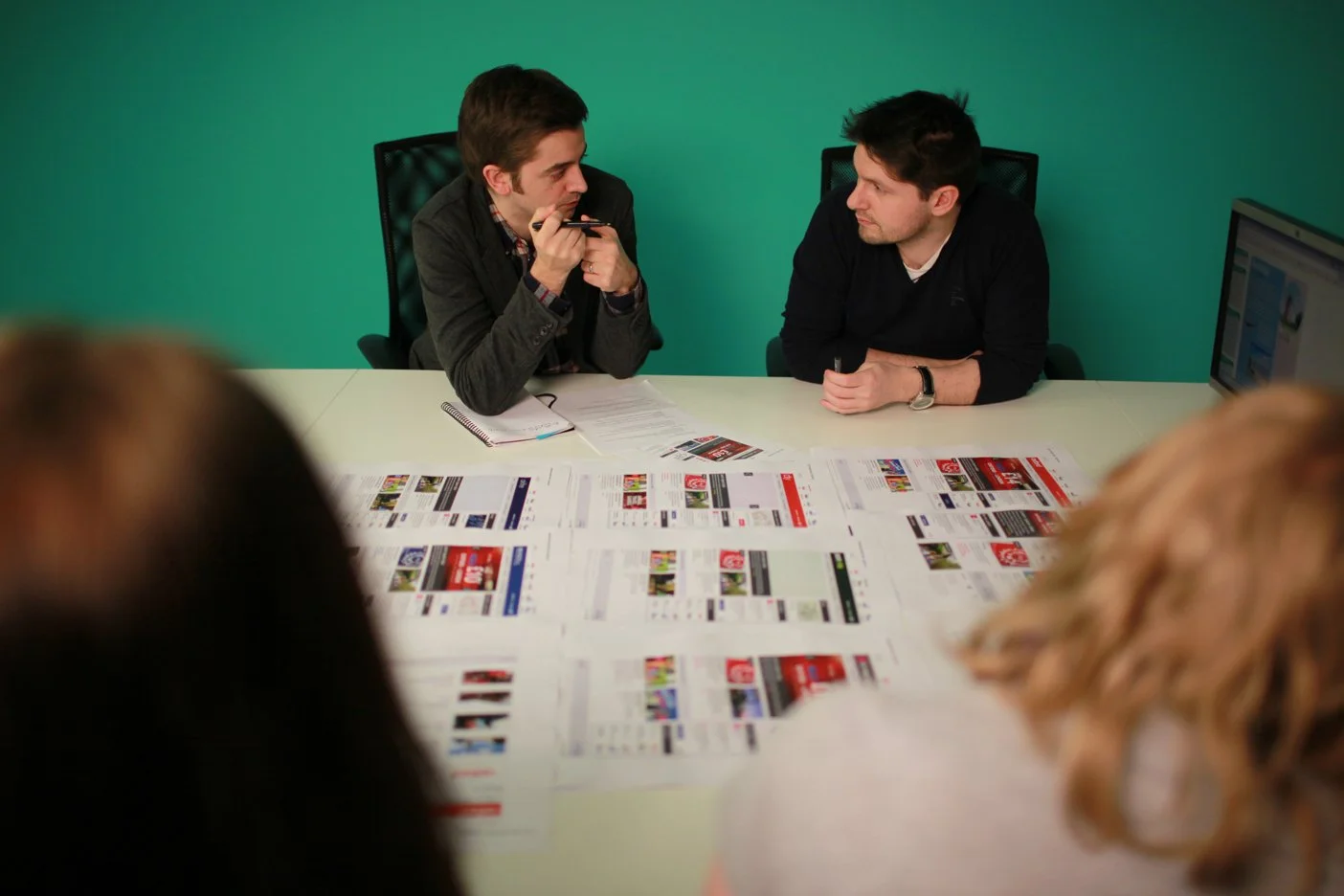
Shortly after kickoff, the delivery timeline was reduced by two months. To meet the revised deadline, we adopted a sprint based approach. Through intensive client workshops, I defined just enough of the structure and core templates to begin development quickly, while keeping the overall vision intact.
Re-architecting the experience
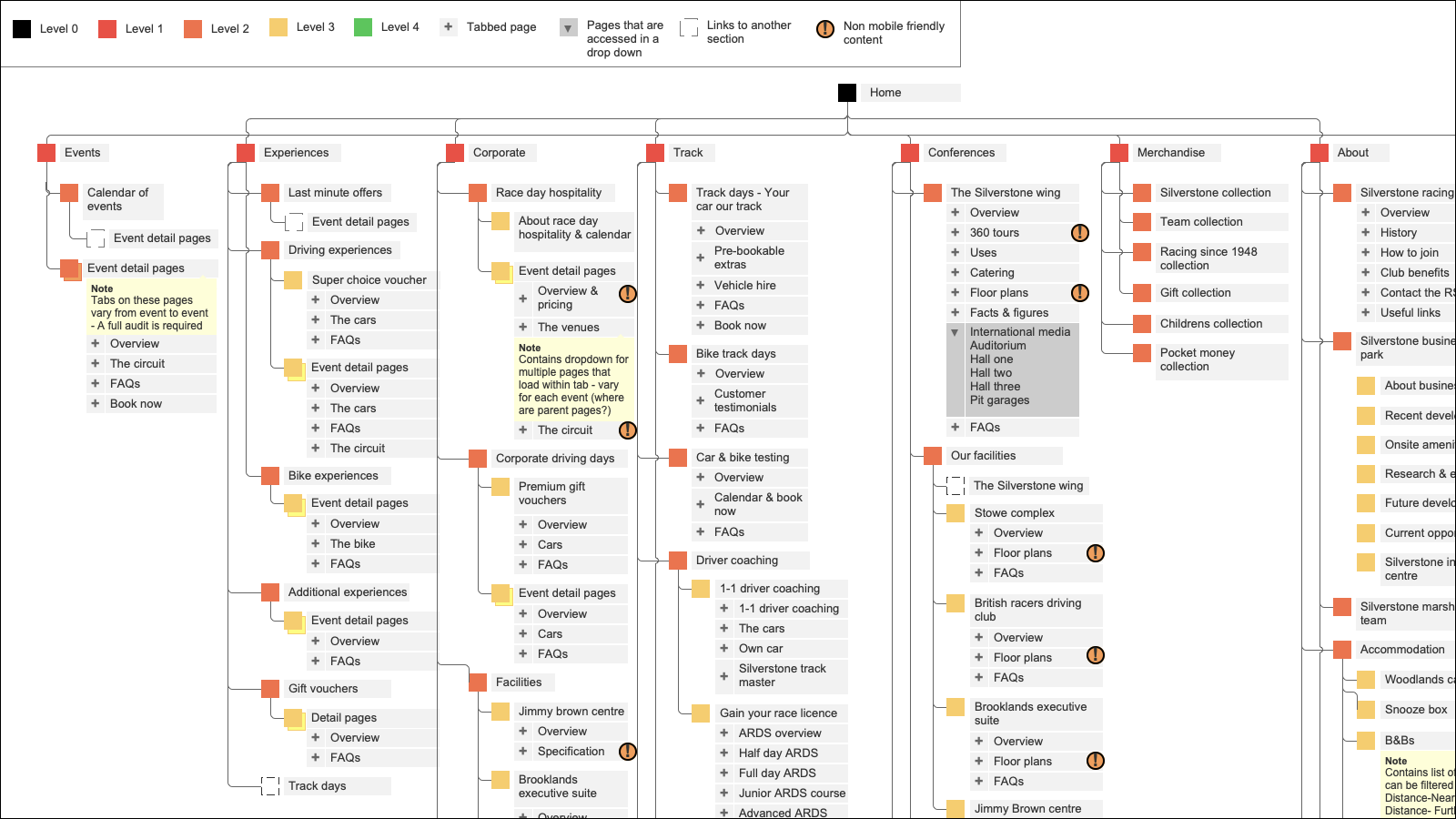
A key part of discovery was a full content audit, which revealed a site that had grown to the point where even the client lacked a clear view of it. This became less about tidying structure and more about reshaping how the platform supported the business.
We reorganised content to improve findability and support acquisition, creating clearer entry points for users arriving via search, paid campaigns, and social. At the same time, we identified content that wasn’t fit for mobile and reworked it for a fully responsive experience. This established a more coherent structure and laid the groundwork for a broader shift in how Silverstone presented and monetised its offering.
Bringing the experience to life
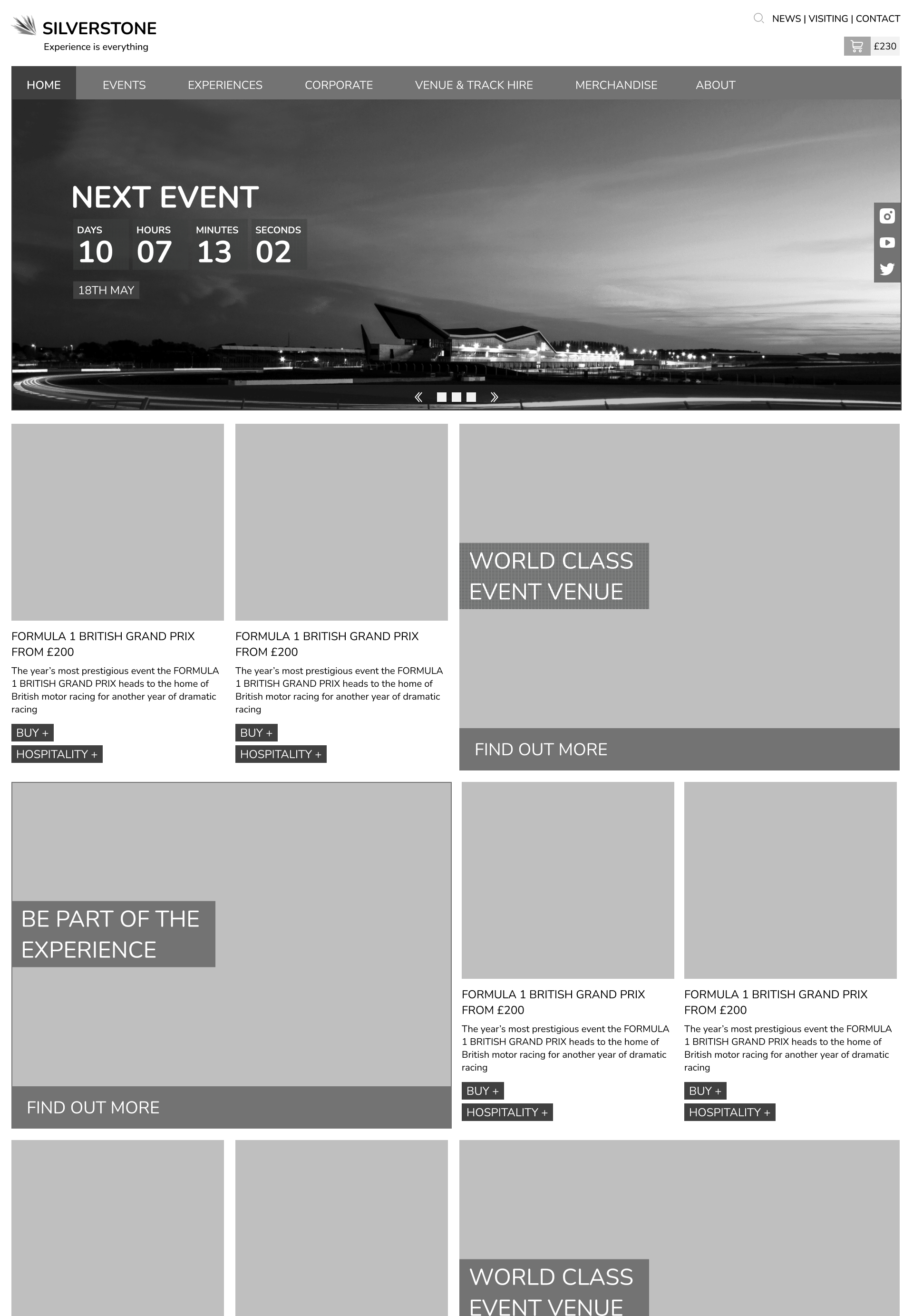
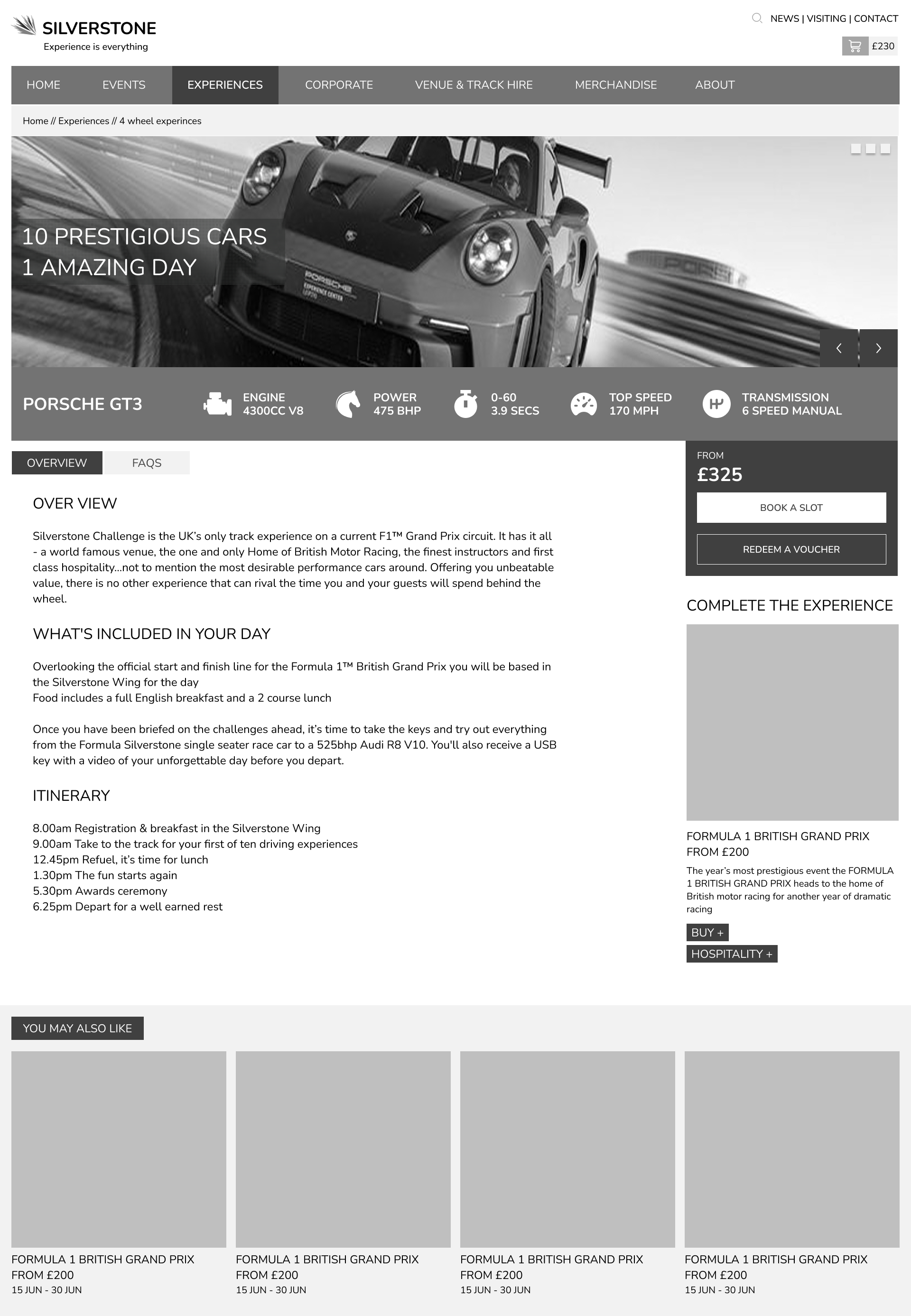
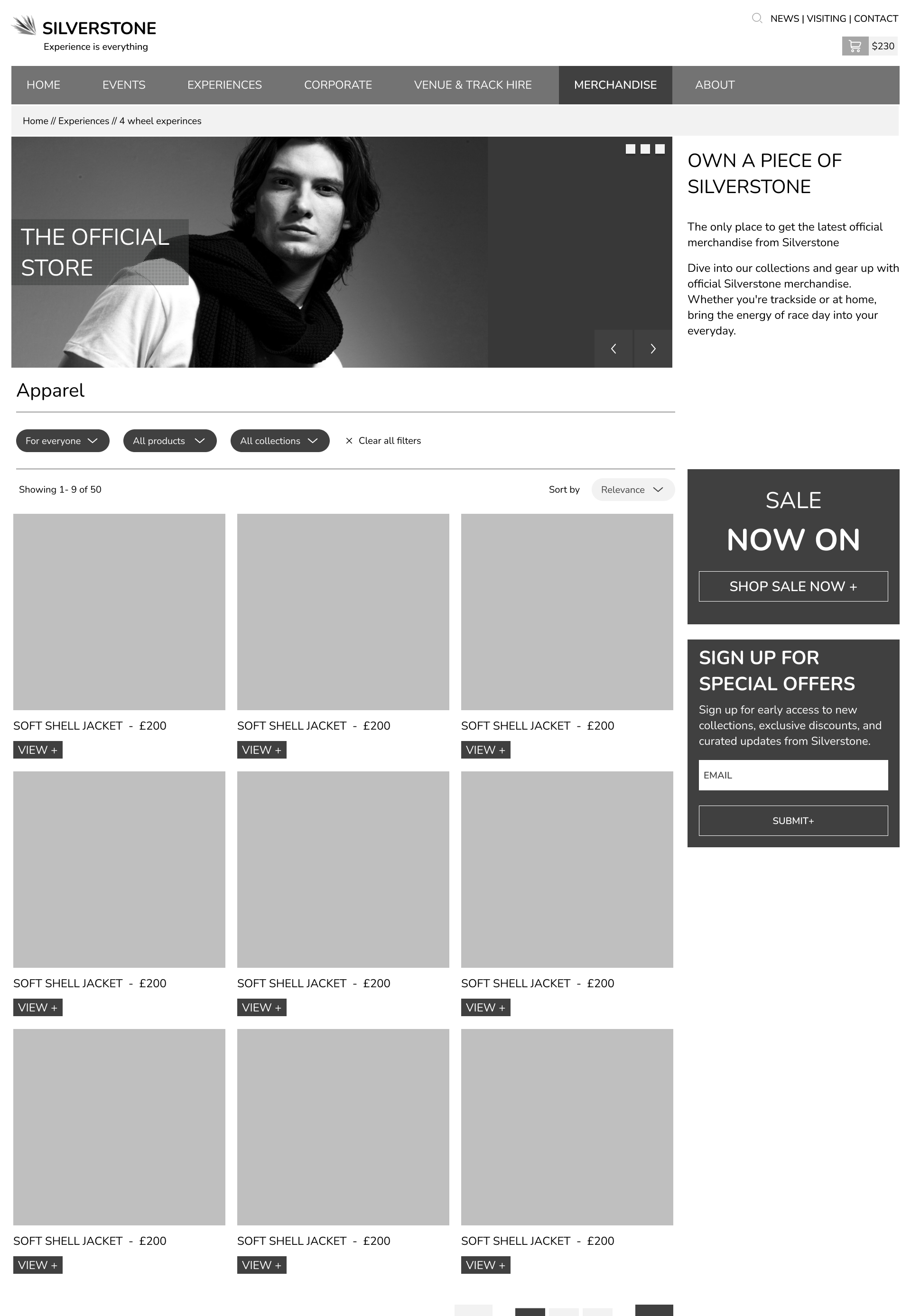
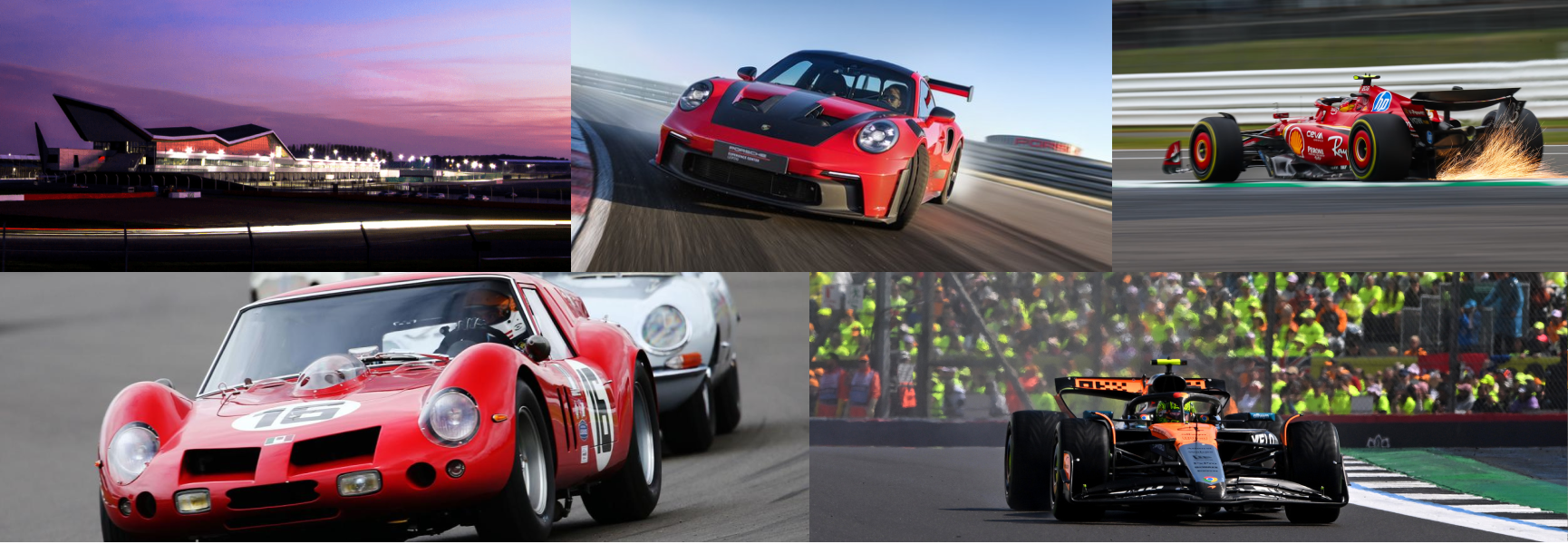
With the structure in place, the focus of the wire-framing and design phase shifted to bringing it to life. Silverstone had a wealth of high quality assets, from photography and video to fan content, that were largely underused. The design put this content at the centre of the experience, helping to communicate the breadth and energy of the venue beyond Formula 1.
The experience was shaped to support both exploration and action, making it easy to move from discovery through to booking or purchase. This created a flexible, content led framework that could evolve alongside the business.
Results
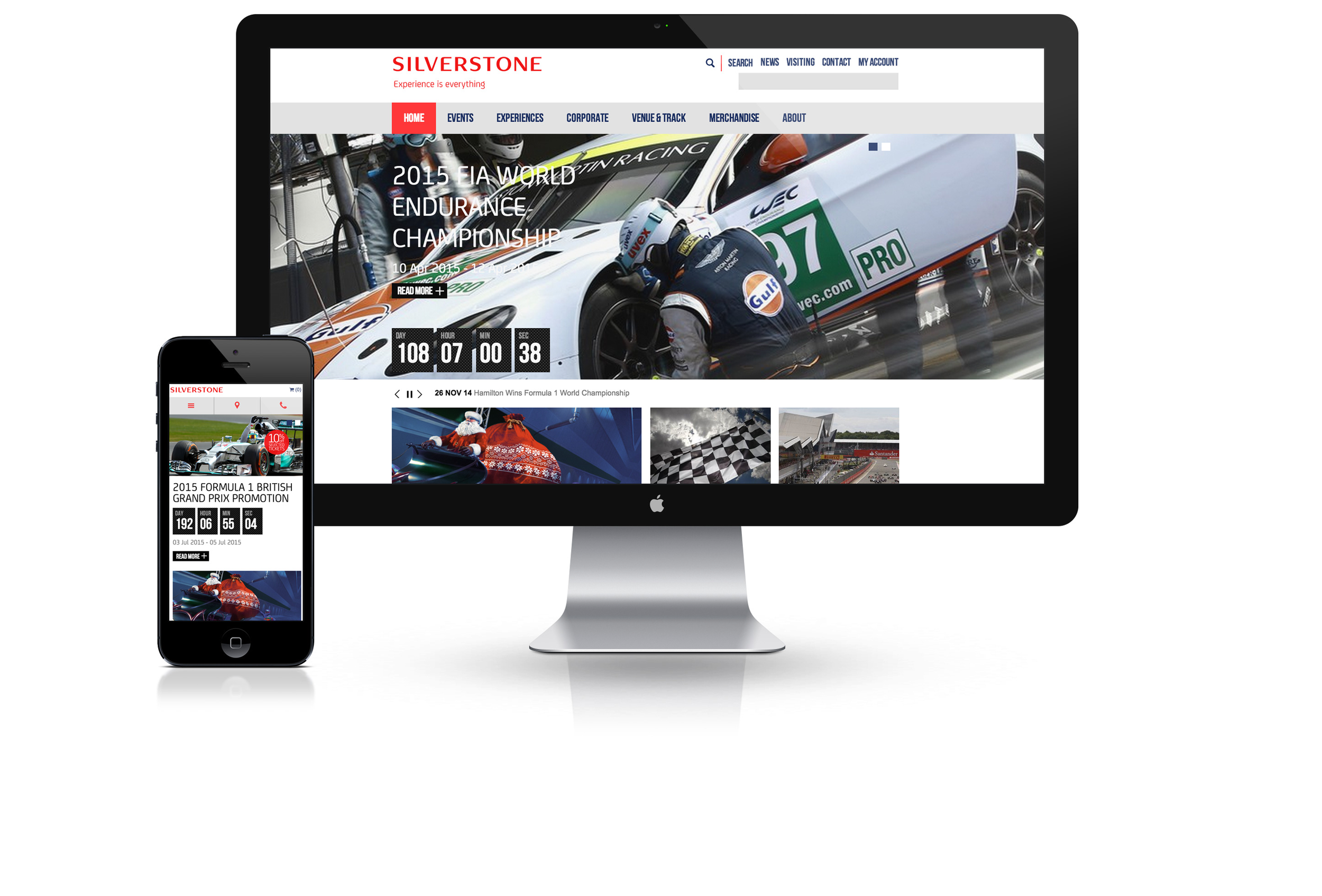
The re-platforming supported Silverstone’s shift toward a more diversified, year round model. By bringing its full range of offerings into a single experience, it made it easier for customers to engage with more than just its flagship events.
It also provided a foundation for growth, helping Silverstone make better use of its assets and reach new audiences. Over the following three years, this contributed to a £5m uplift in revenue, validating both the strategic direction and the role of UX in enabling it.